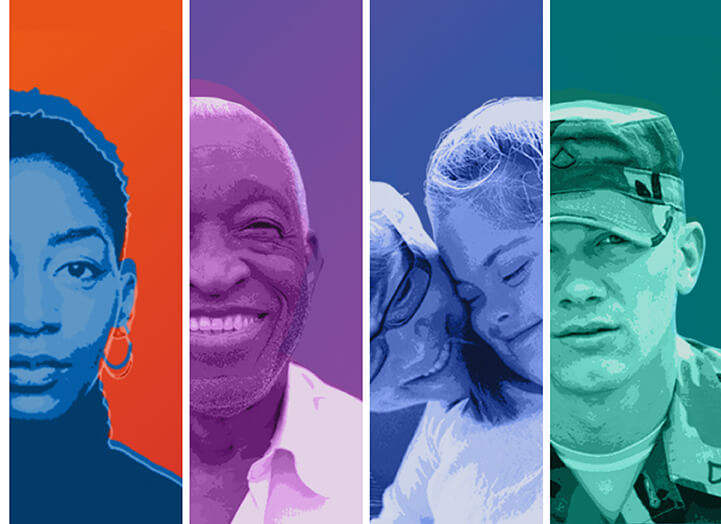

What is a Wellness Recovery Action Plan® (WRAP®) and how do I use it?
The Wellness Recovery Action Plan®, or WRAP®, is an evidence-based system that is used world-wide by people who are dealing with mental health and other kinds of health challenges, and by people who want to attain the highest possible level of wellness. It was developed by a group of people who have a lived experience of mental health difficulties; people who were searching for ways to resolve issues that had been troubling them for a long time. WRAP® involves listing your personal resources, your Wellness Tools, and then using those resources to develop Action Plans to use in specific situations which are determined by you. WRAP® is adaptable to any situation. WRAP® also includes a Crisis Plan or Advance Directive.
WRAP® is universal ― it is for anyone, any time, and for any of life's challenges.
Click here to find out more about getting started with WRAP®
What's New?
Vermont Blueprint for Health rolls out WRAP
WRAP in the Criminal Justice System
Guide to Choices in Coming Off Medications
WRAP Around the World Conference 2013
Media Corner
-----------------------------
The Copeland Center’s Winter 2013 Newsletter is Now Available-
Special Feature:
"The Power of WRAP"
Download PDF here
----------------------------
The Wellness Toolbox
---------------------------------
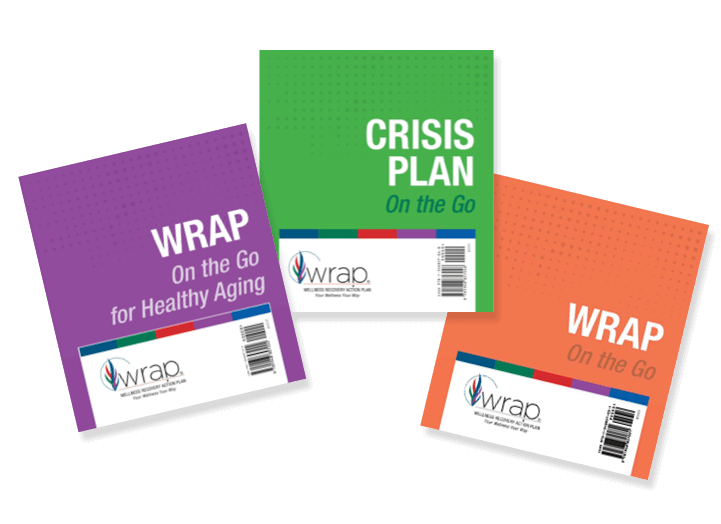
My WRAP Crisis Plan
Pocket Brochure
This colorful brochure offers a very convenient way to carry your WRAP Crisis Plan with you. In the event of a crisis, it's easy to share it with supporters and care providers.
Click on the image for more info
_____________________________
WRAP® listed by National Registry of Evidence-Based Programs and Practice
Click here for answers to your questions about Evidence-Based Practice
_____________________
Resources:
Check out these
E-Learning Courses:
WRAP® One on One
Designed for people who are helping others develop WRAP® plans. Learn how to guide, facilitate, advise, support, and encourage another person (patient, client, peer, friend, family member) as they develop WRAP® plans using the Values and Ethics that have evolved as people have used this mental health recovery innovation.
Values and Ethics:
Check List and Worksheet
See what Values and Ethics drive Mental Health Recovery and WRAP® Facilitators and what to expect when working with one.
Training:
Become a WRAP® Facilitator
Interested in becoming a mental health recovery educator? Spend 5 days with Copeland Center staff in a training which is designed to help you become a powerful change agent as a recovery educator. Learn about the Copeland Center.
New! WRAP minis now Available in Spanish


These popular pocket brochures are now available in Spanish.
Esta versión en español de Mi Plan WRAP de Bolsillo y Mi Plan WRAP Para las Crisis están diseñada para que pueda guardar su Plan de Acción Para la Recuperación del Bienestar en su cartera, su monedero o su bolsillo.
Click here to visit the bookstore
Webinar with Mary Ellen Copeland
May 30, 2013 2 - 3pm EDT
Join author, educator and mental health advocate, Mary Ellen Copeland, PhD, as she takes us through a basic overview of the Wellness Recovery Action Plan. WRAP has become the cornerstone of mental health, addictions and whole health programs in all kinds of facilities including state wide mental health agencies, the Veterans Administration, hospitals, schools, health care agencies, organizations, prisons and jails. The presentation will be followed by a live question and answer session.
This webinar is appropriate for anyone who wants to learn more about WRAP or refresh their understanding of WRAP either for themselves or to support others. Mary Ellen will also focus on the "Build Your Own WRAP" program which she herself used for her own WRAP.
This webinar is being hosted by Relias Learning, the provider of WRAP and Recovery Books' ELearning courses.
Vermont Blueprint for Health rolls out WRAP
The Ver
mont Blueprint for Health and the Department of Mental Health, in collaboration with the Vermont Center for Independent Living and Vermont Psychiatric Survivors, are sponsoring a series of training events to increase the number of Vermonters trained as Wellness Recovery Action Planning (WRAP) facilitators. These training events include WRAP Facilitator Training and WRAP Facilitator Refresher Training, as well as follow-up coaching and mentoring for WRAP facilitators who are teaching for the first time. The Vermont Blueprint for Health is a state‐led initiative that transforms the way that health care and overall health services are delivered in Vermont. The goal of the Blueprint is to provide the community with a continuum of seamless, effective, and preventive health services, while reducing medical costs. and to provide Vermonters who have chronic conditions with the information, tools, and support they need to successfully manage their health. This is accomplished through what the Blueprint is calling “advanced primary care” that seamlessly coordinates a broad range of health and human services for patients and their families.
Click here to read more about this groundbreaking initiative
WRAP in the Criminal Justice System
WRAP is successfully being implemented in a variety of ways with people involved in the Criminal Justice System.
Click here to read about how and where WRAP is working
WRAP® Goes to High School!
Twenty-seven high schools students from two separate high schools, and one project coordinator from Alberta Health Services, came
together to participate in a groundbreaking initiative to bring WRAP® to High School students in Edmonton, Canada, Alberta. In the first phase of the project, each of the participants was guided through the 5 Key Concepts and the process of making their own WRAP. Most of the students who participated in phase one of this pilot project recently completed the second phase by becoming certified WRAP facilitators, trained by wellness professionals from the Copeland Centre and Alberta Health Services.
Click here to read an article by high school principal, Tim Cusack
WRAP® Keeps Hurricane Sandy Victim Balanced and Focused
“WRAP strengthens people’s self-awareness
of being able to help themselves and avoid going into crisis.…WRAP literally saved my life."
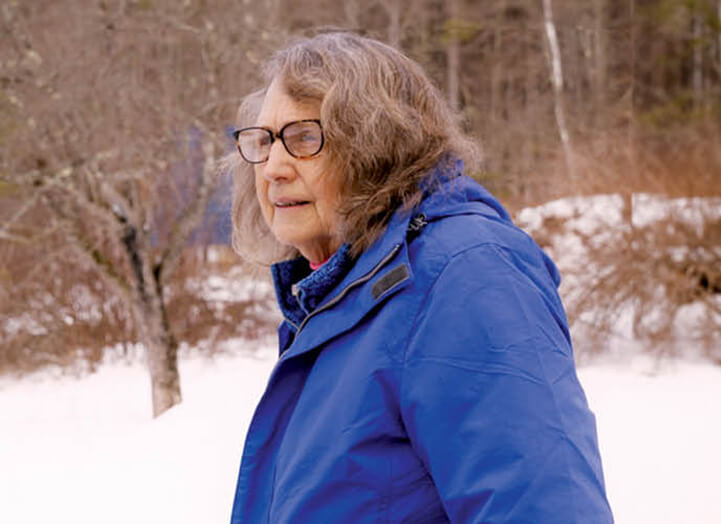
Linda Meyer, a certified WRAP Facilitator, shares her story of the impact of Hurricane Sandy on herself, her husband and seven children, including one diagnosed with autism. The impact, not only of the devastation in her community, included having no power for nine days and then losing power again for another five days when fallen trees from the Nor'easter hit her family's house, van and truck. Soon after the storm, before the damage could be repaired, Meyer fell and badly sprained her ankle.
This is the first of a two part article that was written in the Journal of the New Jersey Association of Mental Health and Addiction Agencies [NJAMHAA] on the WRAP Crisis Plan/PAD.
Click here to download the article
Robert Whitaker - Keynote Address WRAP Around the World Conference 2013
"It's such an honor and pleasure to be here, and here's why it is such an honor...
if you look around society and look at one of the most prominent forces for change -
it is the WRAP Program. It is changing how we think about mental health, it's changing about how what we think is possible; so for me to be in you presence it's a great honor, and you should all look around and give yourselves a big hand".
Robert Whitaker - Keynote Address- WRAP Around the World Conference, 2013
Click here to see the rest of the address
"Do Send a Card" Project
Usually when someone is hospitalized for medical reasons, friends, family and co-workers send get well cards, flowers – they offer to do whatever is needed for that person while they are recovering. But when a person is hospitalized for a mental health condition or crisis, no flowers or cards with well wishes are sent and often no one is offering to do whatever is needed for that person while they are recovering.
Why Not? Often friends, family, and co-workers don’t know what to do. They may wonder “Is it appropriate to send a card? What would I say?” It is very appropriate and appreciated! Join us in sending a message of hope in a card.
MHASF will deliver all greeting cards on our monthly visits to San Francisco General Hospital ‘s psychiatric unit to offer well wishes and caring words to people in our community who may not receive this type of support, encouragement and a belief in their recovery. Click here for more info on how to Send a Card
Mary Ellen Copeland and her staff cannot address personal mental health problems and issues. We care very much about your concerns but we must focus our efforts on education and resource development. For more information on how to get help for yourself or the people you are supporting, please use the resources on this website.
© 1995-2013 Mary Ellen Copeland, PhD All Rights Reserved